:host { --enviso-primary-color: #FF8A21; --enviso-secondary-color: #FF8A21; font-family: 'boijmans-font', Arial, Helvetica,sans-serif; } .enviso-basket-button-wrapper { position: relative; top: 5px; } .enviso-btn { font-size: 22px; } .enviso-basket-button-items-amount { font-size: 12px; line-height: 1; background: #F18700; color: white; border-radius: 50%; width: 24px; height: 24px; min-width: 0; display: flex; align-items: center; justify-content: center; text-align: center; font-weight: bold; padding: 0; top: -13px; right: -12px; } .enviso-dialog-content { overflow: auto; } Previous Next Facebook Instagram Twitter Pinterest Tiktok Linkedin Back to top

An Eye for Little Things - Miniature lead-tin utensils 1300-1900: the Diana Mertens collection

From spits, dripping pans to scissors, jugs, and chairs, the exhibition An Eye for Little Things reveals a miniature domestic world. Hundreds of small lead-tin utensils, made between 1300 and 1900, sparkle in the display cases. They replicate the household items of their time in detail and reflect everyday life centuries ago. What once served as toys and later as collectibles now forms a fascinating window into the history of material culture.

up to and including 8 March 2026
Depot

Tuesday through Sunday
from 11:00 a.m. to 5:00 p.m.
Location: A3.09


Collector Diana Mertens

Diana Mertens, the world’s first female retinal surgeon, worked for almost forty years from the 1960s at Rotterdam’s Eye Hospital. With her keen eye for little things, she assembled an extensive and unique collection of lead-tin miniatures, which she will ultimately bequeath to Museum Boijmans Van Beuningen. In this exhibition, the museum presents a selection of more than two hundred objects from her collection.  

Playing and learning

The exhibition shows how these miniatures played a role in education and play for centuries. Prints and paintings by seventeenth-century artists such as Adriaen van de Venne and Hendrick Sorgh show how children used dolls and miniature tools and weapons to imitate adult behavior. These objects not only reflect domestic activities, but also reveal the gender roles and social ideals of their time. 

Anonymous, skimmer, 1550-1650, gift from the Van Beuningen-de Vriese Collection, 1991
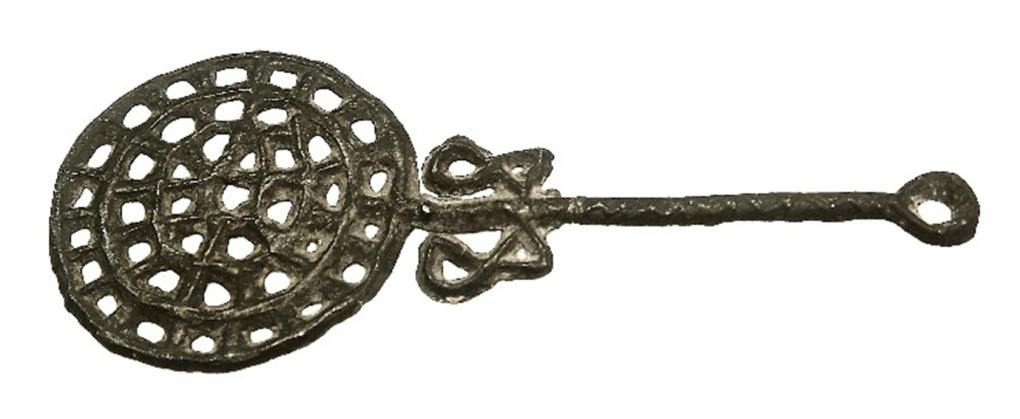
On the left is the original skimmer and on the right is the miniature version. Skimmer, 1500-1600, on loan: Diana Mertens Collection

Craftsmanship in lead and tin

Behind every miniature lies the work of a craftsman. Pewterers (pewter is an alloy of tin and lead) used slate molds to make miniature versions of ‘adult’ household items, which we see not only in material form but also in paintings by, for example, the 16th-century Amsterdam painter Pieter Aertsen. The exhibition features a slate mold from that period, with matching lead-tin miniatures. The comparison between the small and large versions of objects, such as dripping pans, a stool, and a serving jug, reveals the care with which these makers replicated their lifelike household items. 

A new perspective on everyday life

Diana Mertens' miniatures offer researchers and visitors new opportunities to examine historical design, household goods, children's games, and domesticity through the centuries. What were once children's toys and dolls are now a valuable key to understanding our cultural history. 

Playing with curator Alexandra van Dongen, Pre-industrial Design

Each miniature in this collection is a very small version of an everyday object. Children used to play with them as dolls, and today we can learn about how homes were furnished throughout the centuries through these miniatures. Discover centuries-old household items in miniature and come and play with history on a small scale. 

Curator Alexandra van Dongen will provide explanations and help you discover the toys. Will you join us?

2025: 10 December | 13:00-16:00 | walk-in 
2026: 14 January, 11 February and 4 March | 13:00-16:00 | walk-in