Uncover the Hidden Lives of Artworks
How does an artwork actually end up in a museum? Where does its journey begin, who has held it before, and how was it once viewed? In Diary of Things, you delve into the surprising, winding life stories of artworks before they entered the collection of Museum Boijmans van Beuningen.
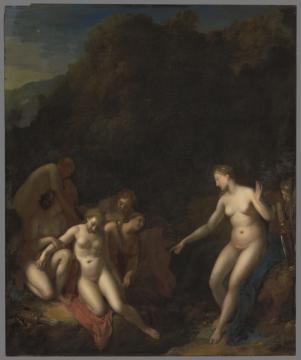
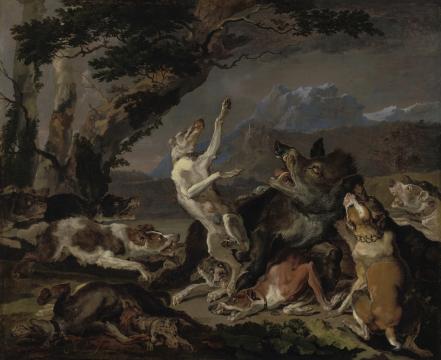
In this exhibition, you follow three Rotterdam paintings from around 1700, each with its own unique tale. Adriean van der Werff's Diana and Callisto (1704) has a richly documented history; from a personal gift to his wife to a cherished museum piece. The story is quite different for the pair Boar Hunt and Bear Hunt by Abraham Hondius. Little is known about their first owner, and for a long time, these works even vanished completely out of sight.
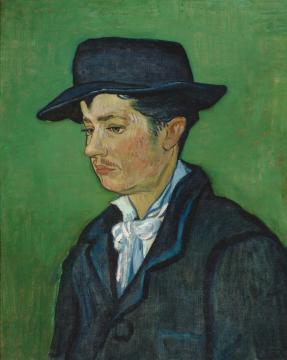
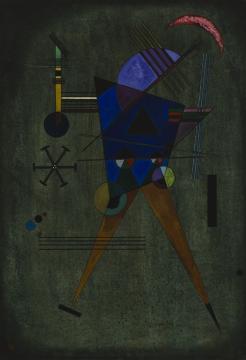
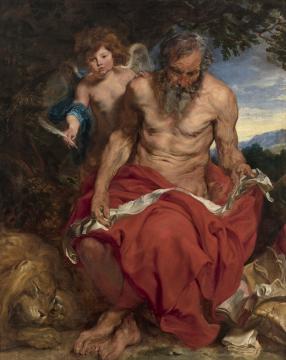
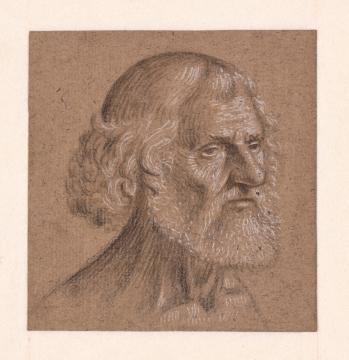
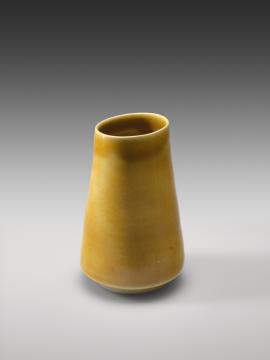
Around these three main works, the exhibition takes you on seven thematic excursions. Along the way, you encounter other artworks from the collection that - just like these paintings - have had eventful pasts. They were donated or purchased or, sometimes, looted, sold, sawn apart, or discarded. These themes place the individual life stories in a broad, sometimes confronting context and reveal just how diverse the fates of artworks can be.
Together, they form the captivating Diary of Things: an exhibition that will change the way you look at art.