
Donors, friends and guests with a privilege pass may book a single or multiple time slots here
Donors, friends and guests with a privilege pass may book a single or multiple time slots here
Would you also like to experience more Boijmans or give a friendship as a gift? Join as a Friend and get invited for the annual Museumpark Vriendendag. Will we see you or your friend in the depot soon?

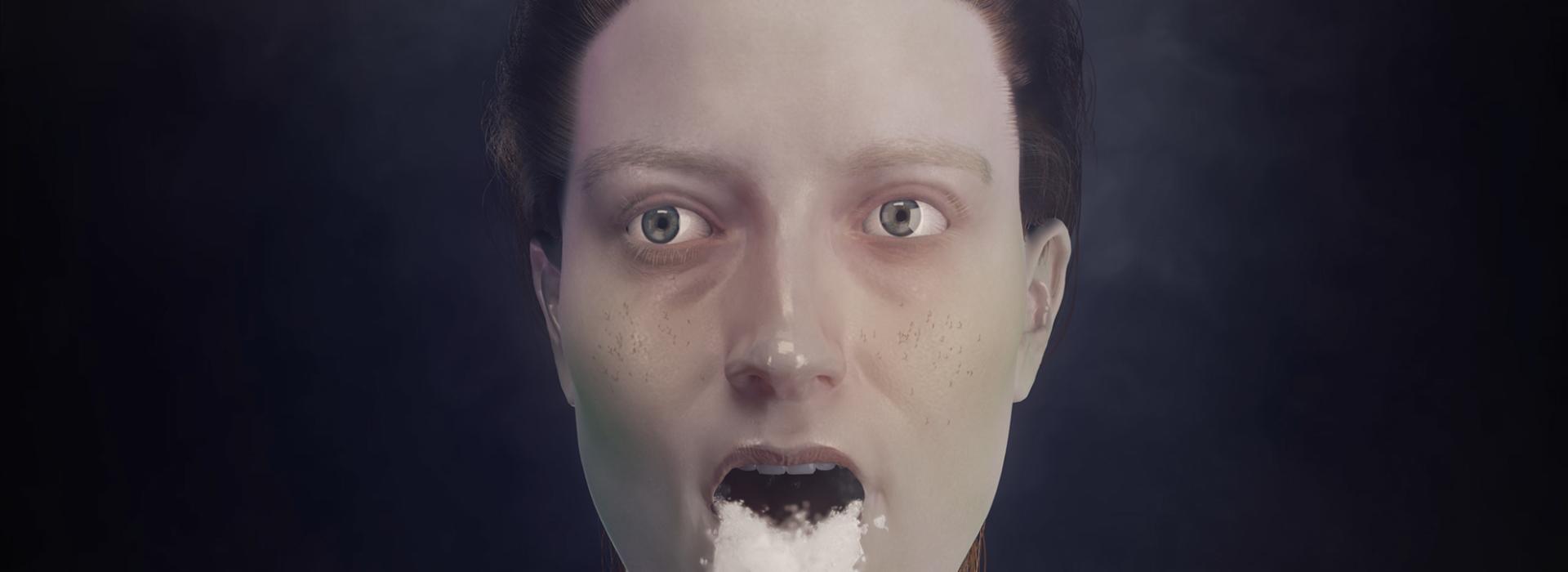
The Neon Hieroglyph interweaves a series of poetic reflections around a feminized history of ergot, a fungus that grows on rye and other grains and from which LSD is derived. After the film screening, curator Saskia van Kampen will engage in a conversation with Tai Shani.
Saturday March 21st 2026
2-4PM
Location: Depot
Entry: regular Depot ticket, rsvp via educatie@boijmans.nl
(Max. 50 visitors)
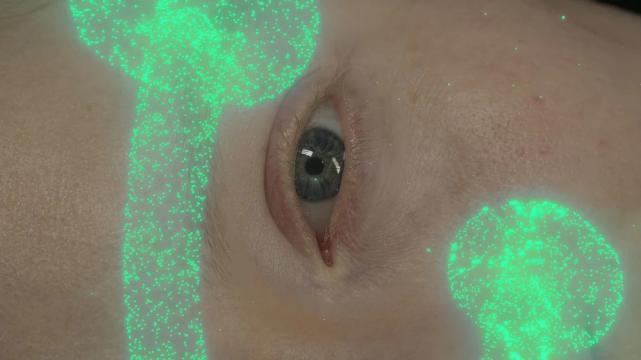
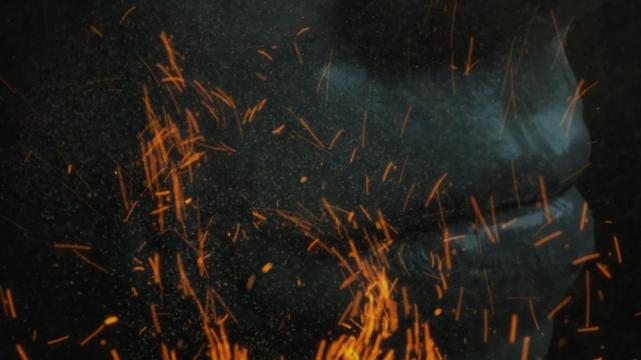
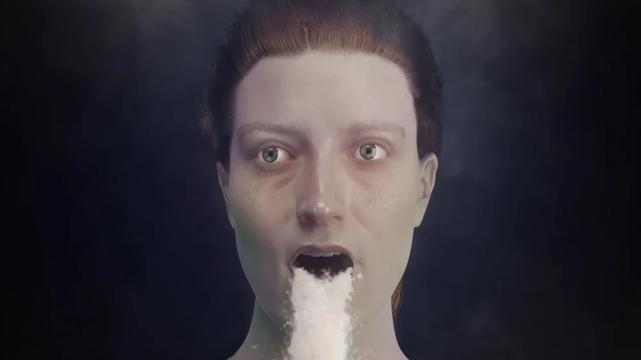
In The Neon Hieroglyph, artist Tai Shani presents nine hypnotic stories that expand her ongoing creation of a feminist mythology of psychedelics, combining CGI videos with a soundtrack by Manchester-born composer Maxwell Sterling.
For Shani, the psychedelic is a space that can drive new visions of society. The Neon Hieroglyph uses these perspectives to unleash new ideas and alternative realities; a dreamlike journey that takes us on an epic voyage through different times and universes.
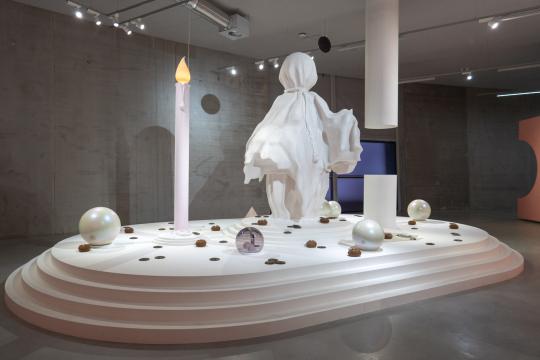
The work of Tai Shani is also on view now in Beyond Surrealism.